. . . . . . .
Canadian Flag Fisheries and Oceans Canada Canada Wordmark
Français Contact Us Help Search Canada Site
Home DFO National DFO Pacific What's New? Site Map
Blue Line
Pacific Region North Coast
First Nations - Button
Recreational Fisheries - Button
Commercial Salmon - Button
Commercial Herring - Button
Skeena Tyee Test Fishery - Button
Counting Facilities - Button
Post-Season Review - Button
Shellfish - Button
North Coast Contacts - Button
North Coast Home - Button


Recreational Fisheries - North Coast


Welcome to the North Coast. If you have a passion for recreational fishing, the north coast is sport fishermen's paradise. This area has a large expanse of inlets and channels and is the home of some of the world's most famous salmon fishing locations. Waters such as Rennel and Cartwright sound, Langara Island, Chatham Sound, and Douglas Channel are legendary in the hearts of salmon anglers and have produced some of the world's largest salmon. Several world record salmon have been caught in these locations. If you want to catch big fish, this is the place to come.

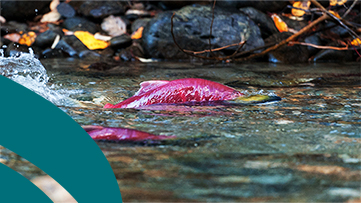
All five species of salmon - chinook, coho, chum, pink, and sockeye - are found in this area. Other species of fish such as halibut, lingcod, and various species of rockfish are also abundant. If you enjoy catching shellfish, the north coast is a good place to come to catch some crab, prawn, and shrimp. Nothing can exceed a good feed of fresh caught crab harvested from the numerous bays and inlets in the area. You should note, however, that harvesting of bi-valve species such as mussels, clams, and oysters is prohibited in most areas due to paralytic shellfish poisoning (PSP) concerns.

Salmon and halibut are the most sought after fish by anglers coming to the north coast. Salmon can be caught by trolling various types of lures or bait. Trolling with a hootchie, spoon, or strip of herring bait enhanced by the use of a flasher is a good method for catching salmon. A fishing method known as 'motor mooching' using a cut-plug herring is also becoming an increasingly popular method of fishing in these waters and can be very effective for catching chinook and coho salmon.

Halibut and other groundfish are also popular species sought after by anglers. These species provide superb table fare and are relatively easy to catch. The most popular method for catching halibut is by using a ' spreader bar' and whole herring or octopus as bait. Lingcod and rockfish can be readily caught using bottom jigs equipped with a piece of herring bait.

Angling in north coast waters often requires sportfishers to venture out into large expanses of water so it is important to have a boat of adequate size and suitably equipped to handle these types of waters. You may wish to consider utilizing the services of a professional guide if you are unfamiliar with the area you intend to fish. The services of a professional and knowledgeable guide are well worth the additional cost and will help to insure that you have a safe, enjoyable, and productive fishing trip.

For those anglers who prefer freshwater salmon fishing, a number of intriguing opportunities are available in the north coast. Excellent salmon angling opportunities are available in the Skeena, Nass, and Kitimat river systems. Popular river fishing methods include 'bar' fishing (plunking), bottom bouncing, drift fishing, plugging, and in some areas fly fishing.

Remember to check your sport fishing regulations for tidal and freshwater areas closely before you go fishing so you are familiar with the rules for the area you intend to fish. If you are angling for salmon, barbless hooks only must be used. In freshwater rivers and streams, the barbless hook must be of the single hook variety.

We encourage you to browse through the additional sport fishing information available on the Pacific Region website. The ability to engage in world class sportfishing opportunities is a wonderful privilege we all have but with this privilege comes a responsibility to use the fishery resource in a wise and sustainable manner. Stay within allowable harvest limits and keep only what you and your family can reasonably expect to consume. Proper use of this valuable resource will insure that fish will be available for future generations.

Blue line defining page end
Fisheries and Oceans Canada - Pacific Region
Contact Fisheries and Oceans

Important Notices and Disclaimers
Questions Contact:Webmaster
Updated: 2005-12-15