Symbol of the Government of Canada

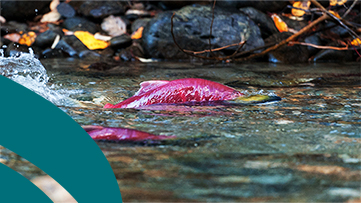
Sockeye salmon swimming in Adams River

Tools for Stewardship

Stewardship is many things to many people. As such, there are many different ways that people can be aquatic stewards. Below are some resources to help you with that task! If you have/know of any Tools for Stewardship that you would like to have added to this web page, contact Joanne Day at Joanne.Day@dfo-mpo.gc.ca to submit your tool.


Aboriginal


Advocacy


Agriculture


Biology of Aquatic Species


Climate Change


Community Mapping

Maps are a powerful tool for stewardship as they can visually display areas of local significance that may require special attention or protection.  They can also emphasize the cumulative impacts caused by a variety of different users, which can help to develop a better understanding of community watersheds. The Oceans, Habitat and Enhancement Branch, Information Management Unit website provides GIS services and training to support the protection and conservation of fish and fish habitat in the Pacific Region. Other mapping resources include:


Community Participation


Educational/Training Resources


Facilitation/Mediation


Fisheries and Fish Management


Forestry

Forestry is a major industry in the BC economy (www.cofi.org/reports/report-pwc_1999report.htm). Forests also have tremendous value to those users who receive no direct monetary benefit from them, such as habitat, recreation and clean air and water.  Finding a balance amongst all of these different user groups has been difficult and created conflict within forest-dependent communities. Use the resources listed below to find out more about how you can become more involved in forest land use decisions.


Habitat Restoration


Hydrology (water quality and quantity)


International


Monitoring

Monitoring is an effective way to find out if a watershed management project is meeting its goals and objectives. Monitoring can show how well, or how poorly, a management system is working. It can help identify needed changes in management and can show others how to improve watersheds and riparian areas. Monitoring also helps to make decisions by reducing uncertainty and tracking progress toward identified goals. Some monitoring resources include:


Oceans


Pollution Prevention


Public Relations

Whether it's for marketing, awareness or simply making event announcements, community groups need to frequently interact with other citizens and the media. Below is a list of resources to help aquatic stewards bring awareness to their issues.


Watershed Management and Planning

A watershed is a geographic area of land bounded by topographic features and height of land that drains waters to a shared destination. Not only does a watershed drain, it also captures precipitation, filters and stores water, and determines its release. A watershed, therefore, is a drainage basin that divides the landscape into hydrologically defined areas. Within the watershed there are many distinctive biotic and abiotic components whose functioning is inter-related. Watershed management is the control of the quality and quantity of water and the effective human use of water resources within a watershed. Human uses are multiple and diverse. Examples of human uses for water include energy production, irrigation, recreation, etc.

Water moves downstream in a watershed. Any activity that affects water quality, quantity, or rate of movement at one location, therefore, can change the characteristics of the watershed at locations downstream. Thus, everyone living or working within a watershed needs to cooperate to assure good watershed conditions. Below is a list of resources to help protect and manage watersheds.


Species at Risk


Stewardship Readings


Sustainability